

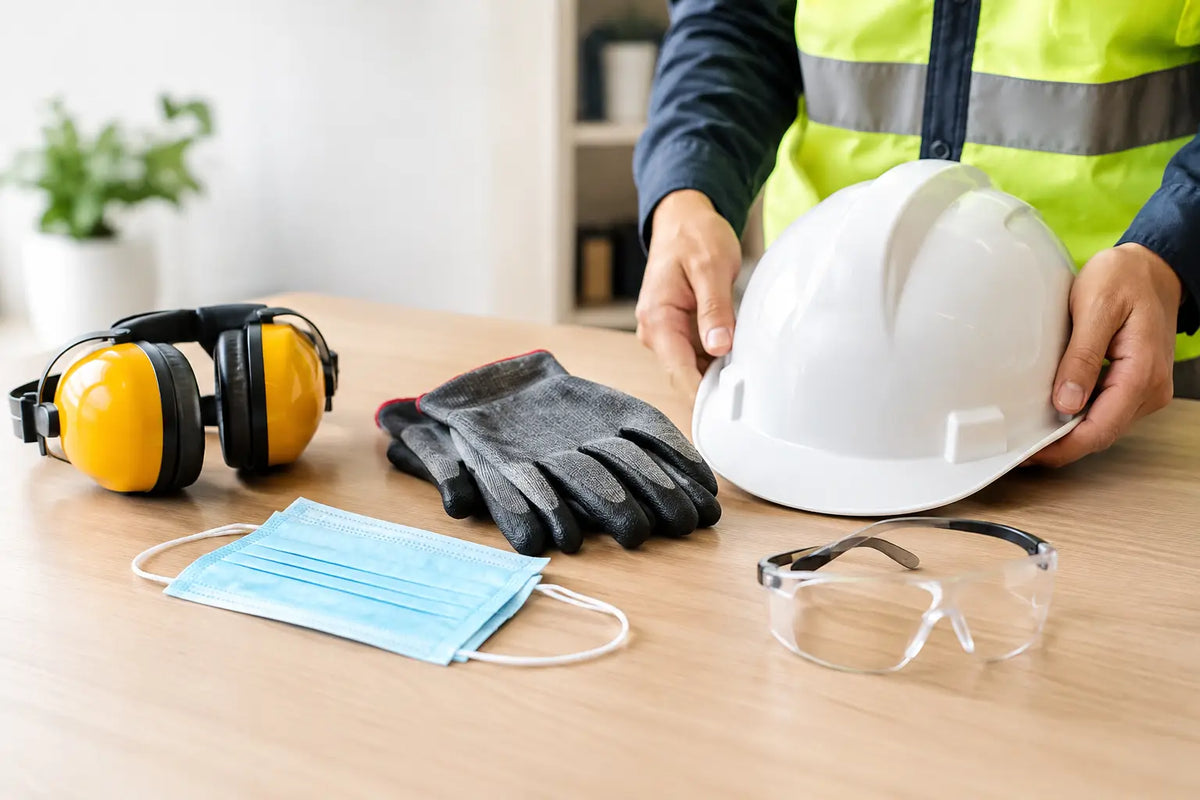
A new hire stepping onto a roadside crew, warehouse floor, utility site, or construction zone should not have to borrow a faded vest or guess whether their eyewear meets the job requirement. A properly planned PPE kit for new employees gives workers the right protection from their first shift and gives supervisors a consistent way to enforce site standards.
The goal is not to hand every employee the same pile of gear. The right kit reflects the hazards, traffic exposure, weather, work schedule, and movement demands of the role. Start with the required protection, then build in the practical features that help workers wear it correctly all day.
Start With the Job, Not a Generic PPE List
A warehouse picker, flagger, survey technician, landscaper, and utility line worker may all need high-visibility apparel, but they do not need the same garment. Visibility class, weather protection, pocket layout, flame resistance, and fit can change from one assignment to the next.
Before ordering, identify where the new employee will work and what can create risk. Consider vehicle traffic, moving equipment, low-light conditions, dust, rain, heat, sparks, chemicals, sharp materials, and fall hazards. Also consider whether the worker needs to carry a radio, plans, tools, tablets, or incident-command identification.
This is where a one-size-fits-all starter bundle can fall short. Standardizing core equipment simplifies purchasing, but role-specific add-ons prevent crews from receiving gear they cannot use or, worse, gear that does not provide the required protection.
Core PPE for New Employees
Most new-hire kits begin with head-to-toe basics. Your written hazard assessment and applicable site rules should determine the final selection, but the following categories cover common field, industrial, and traffic-facing work.
High-Visibility Apparel
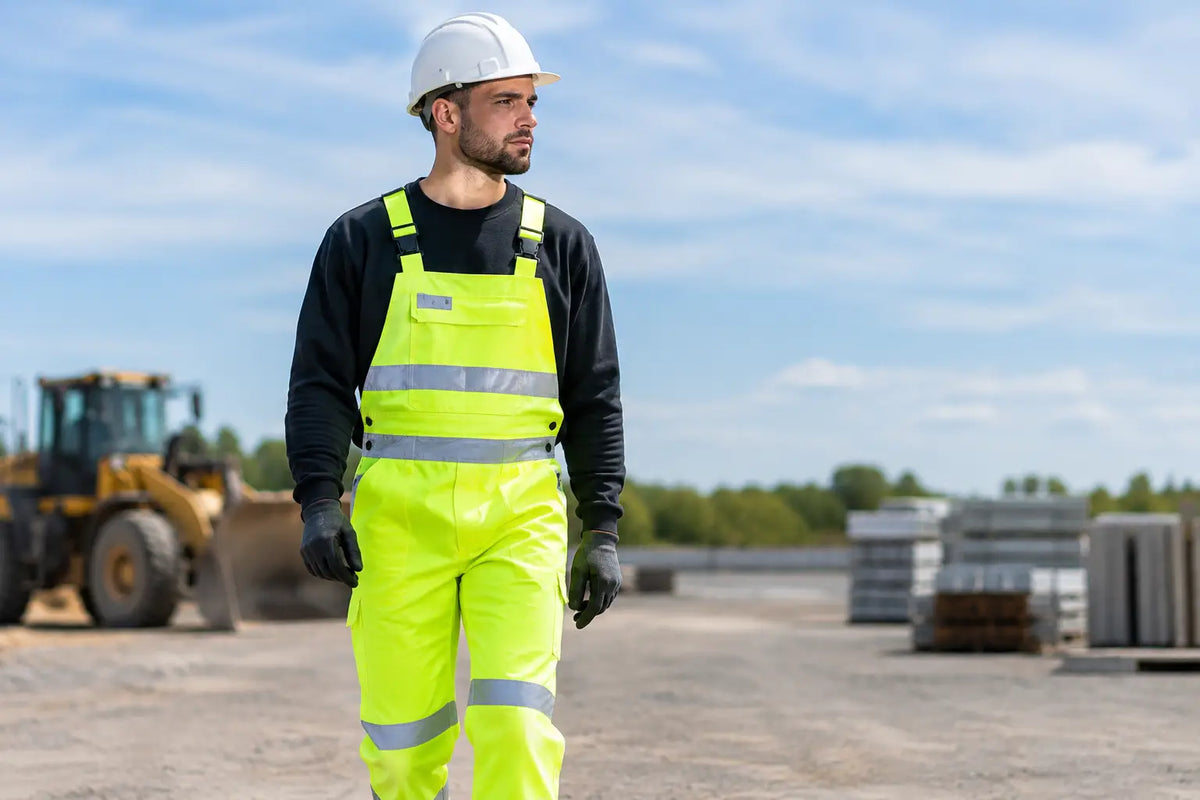
For workers exposed to public traffic, work-zone traffic, or moving equipment, high-visibility apparel is often the first item people notice and the last item a crew can afford to overlook. Choose ANSI-rated garments when the job requires them.
ANSI Class 2 vests are commonly used where workers need added visibility around equipment or traffic but are not operating in the highest-risk roadway settings. ANSI Class 3 apparel provides greater visible material and is generally better suited to high-speed traffic exposure, complex backgrounds, poor visibility, and low-light work. A Class 3 jacket, long-sleeve shirt, or vest-and-pants combination may be appropriate when more coverage is needed.
Color matters for team organization and visibility plans, but color alone does not make a garment compliant. Verify the ANSI classification, reflective material placement, and garment condition. A worn, heavily soiled, or damaged vest can no longer perform as intended.
For supervisors, survey teams, and response personnel, a surveyor vest or incident-command vest can add useful organization through divided pockets, radio tabs, and clear role identification. For hot conditions, breathable mesh can reduce heat buildup. For winter and wet weather, select a high-visibility outer layer sized to fit over normal work clothing.
Eye Protection
Safety glasses are a practical default for many jobsites because hazards can appear quickly: airborne dust, concrete chips, branches, metal fragments, splash, and wind-driven debris. Stock clear lenses for indoor, low-light, or nighttime tasks, then add tinted options where bright sunlight is the main issue.
Fit is part of protection. Glasses that slide down, pinch at the temples, or fog constantly are likely to end up in a pocket instead of on the worker's face. Consider anti-fog coatings, wraparound coverage, and styles that work with hard hats, hearing protection, or prescription eyewear. When splash or high-impact risks exceed what standard safety glasses address, select the protection required for that task rather than treating glasses as the complete answer.
Head, Hand, Foot, and Hearing Protection
Hard hats, gloves, safety-toe footwear, and hearing protection should be selected by hazard, not by habit. A hard hat may be essential under overhead work, around suspended loads, or where site policy requires it. Gloves need to match the work: cut resistance, grip, insulation, chemical resistance, and dexterity are different needs.
The same rule applies to footwear. A waterproof boot may be valuable on a wet jobsite but unnecessarily heavy for indoor logistics work. Safety toes, puncture-resistant soles, electrical-hazard ratings, and slip resistance should follow the conditions the employee will actually face.
Hearing protection is easy to miss during onboarding because noise exposure can vary across a facility. Keep disposable earplugs or reusable options available for employees entering designated high-noise areas, and train them on proper insertion and care.
Build for Weather, Shift Length, and Movement
PPE that works at 8 a.m. may fail the worker by 3 p.m. Heat, rain, cold, sweat, and long shifts affect comfort and compliance. A new employee needs enough gear to stay protected without being forced to choose between visibility and comfort.
For hot-weather crews, lightweight high-visibility shirts, ventilated vests, moisture-managing layers, and shade-ready headwear can help reduce heat stress. They do not replace hydration, rest breaks, or a heat illness prevention plan, but they make correct apparel easier to wear.
For rain, a waterproof high-visibility jacket and rain pants protect more than comfort. Soaked clothing adds weight, restricts movement, and can make a worker less visible or more vulnerable to cold. In colder conditions, use a layering system: a base layer, insulating layer, and ANSI-rated outer layer where visibility is required. Avoid issuing outerwear so tight that workers cannot safely move, reach, climb, or layer underneath it.
Night crews need special attention. Reflective trim supports visibility when light hits it, but it is not a substitute for task lighting, traffic control, or vehicle awareness. Pair the required high-visibility apparel with reliable lighting and site procedures.
Make Fit and Storage Part of the PPE Kit
A PPE kit is only useful if it fits. New hires should have a reasonable range of vest, jacket, glove, and eyewear sizes available at orientation. An oversized vest can snag on equipment. A too-small vest may not close, cover the required area, or fit over layers. Poorly fitted gloves reduce grip and dexterity.
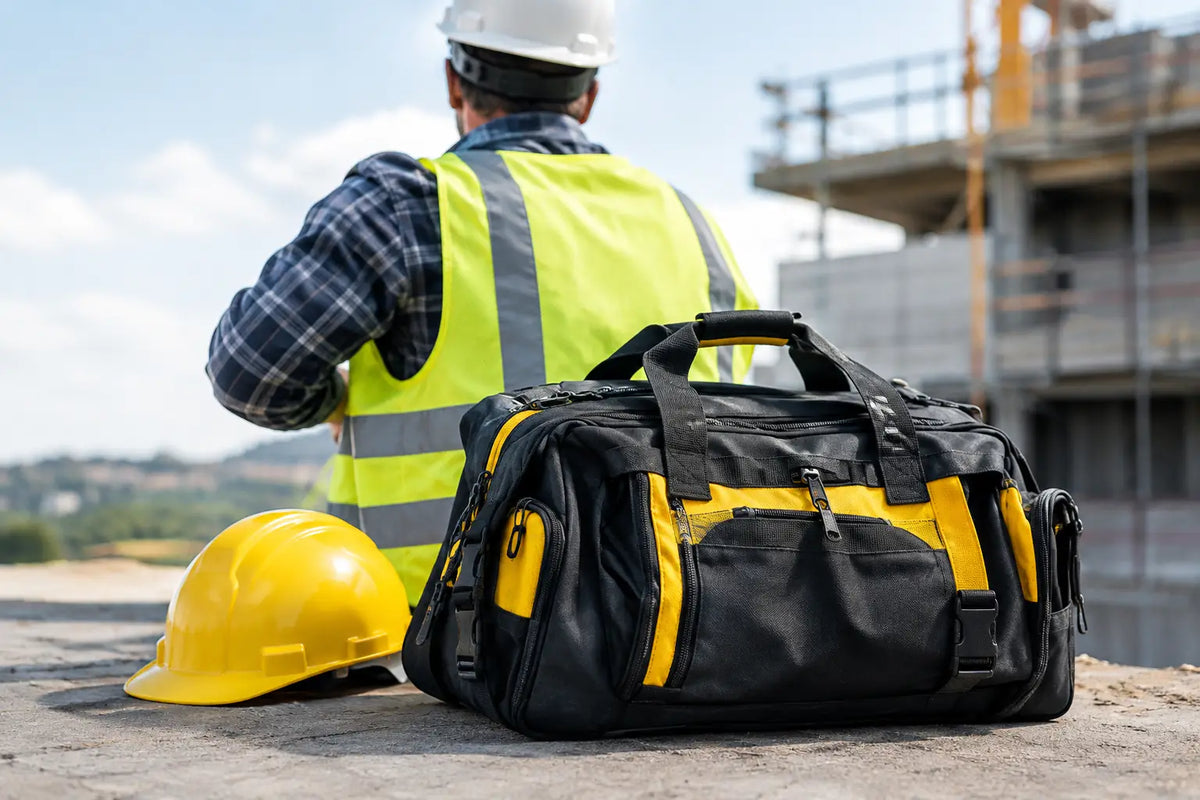
Give each worker a durable gear bag or assigned storage solution, especially when they move between trucks, sites, or shifts. A dedicated bag keeps eyewear, rainwear, spare gloves, and traffic gear from getting mixed with personal items or left in a vehicle. It also gives supervisors a simple visual check: does the employee have the essentials before heading out?
For roles that carry paperwork, radios, tablets, or field tools, storage features matter. A basic vest may be enough for a spotter. A surveyor vest with reinforced pockets and attachment points may be a better daily tool for a field technician. Buy for the work pattern, not just the first-day checklist.
Train Workers to Inspect and Replace Gear
Issuing PPE is not the finish line. During onboarding, show each employee what their equipment protects against, how it should fit, where it must be worn, and when it needs replacement. Clear training avoids the common problem of a worker treating a vest, pair of glasses, or glove as optional because the risk is not immediately visible.
Build a quick inspection into the start of the shift. Workers should look for cracked eyewear, torn gloves, damaged hard hats, contaminated clothing, failed closures, worn reflective striping, and gear that no longer fits. Damaged PPE should be removed from service, not saved as a backup.
Supervisors also need a restocking process. Keep commonly replaced items available, record issue dates for durable equipment when appropriate, and review whether repeat replacements point to a sizing problem, a product mismatch, or a work practice that needs attention.
Standardize the Kit, Then Customize It
A smart PPE program uses a standard base kit with role-based upgrades. That approach keeps ordering efficient while allowing the right protection for specialized work. For example, every field employee may receive high-visibility apparel and safety glasses, while roadside crews receive higher-class visibility gear, rain layers, and traffic-control accessories. Workers assigned to welding, electrical, chemical, or fall-exposure tasks need protection selected specifically for those hazards.
For larger crews, coordinated colors and custom-logo high-visibility apparel can help identify the company on site and keep the team looking organized. Branding should never cover, alter, or interfere with required reflective material, labels, or garment performance.
A PPE kit for new employees sets the expectation before the first task begins: arrive prepared, stay visible, inspect your gear, and replace it before protection is compromised. When the kit matches the job and the worker, safety equipment becomes part of the work routine, not an obstacle to it.

Leave a comment
This site is protected by hCaptcha and the hCaptcha Privacy Policy and Terms of Service apply.