

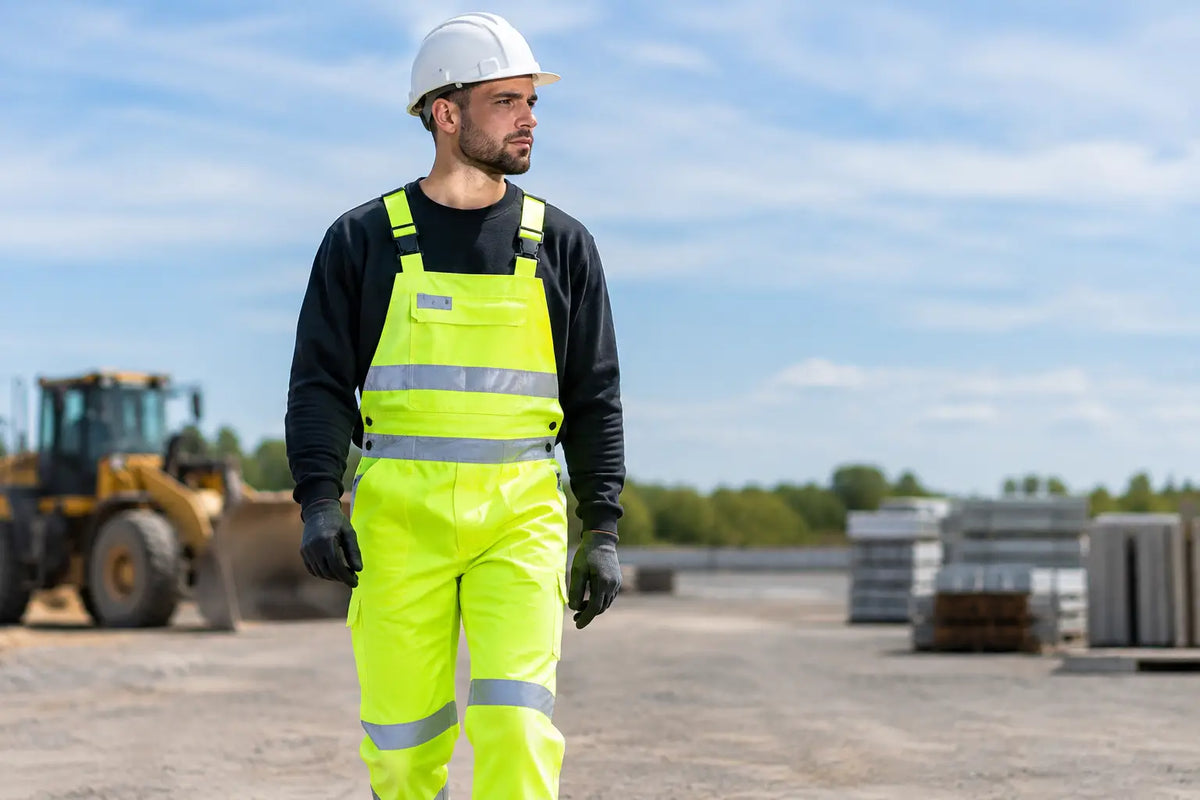
A wet roadway, a dark loading yard, and a long shift do not leave much room for gear that only works in ideal conditions. High visibility bib overalls give workers durable lower-body coverage while carrying the fluorescent background material and reflective trim needed to stay conspicuous around vehicles, equipment, and moving crews. For roadwork, utilities, construction, rail, landscaping, and industrial maintenance, they are workwear built to be seen.
When High Visibility Bib Overalls Make Sense
Bib overalls are a practical choice when a vest and work pants leave too many gaps in weather protection or visibility. The bib front covers the torso, the full-length legs add protection against rain, wind, mud, and abrasion, and the suspender design keeps the garment in place while bending, climbing, or operating equipment.
They are especially useful for workers who start before daylight, work through changing weather, or move repeatedly between exposed outdoor areas and equipment cabs. A waterproof high visibility bib can replace the constant cycle of pulling rain pants on and off. An insulated model can also cut down on bulky layers that restrict movement.
That does not mean bibs are the best choice for every assignment. In hot weather, a lightweight ANSI shirt or vest may be more comfortable and easier to remove. For work requiring frequent restroom breaks, bib overalls are less convenient than safety pants. The right choice depends on exposure, task demands, temperature, and the site safety plan.
Start With ANSI Class Requirements
The first question is not color. It is whether the garment meets the visibility requirement for the job.
ANSI/ISEA 107 sets minimum amounts and placement requirements for fluorescent background fabric and retroreflective material. High visibility bib overalls may be rated as an ANSI Class E garment. Class E means the bottoms can contribute to a compliant ensemble, but they do not provide ANSI Class 2 or Class 3 protection on their own.
Pairing a Class E bib with a qualifying Class 2 upper-body garment can create a Class 3 ensemble. This is a common solution for workers exposed to high-speed traffic, poor weather, nighttime operations, or complex worksites where drivers and equipment operators need to identify people quickly. Always verify the garment labels and your employer's required class before ordering.
Class E Is Not a Standalone Class 3 Claim
A bib with reflective striping may look highly visible, but appearance is not the same as compliance. Check the label for its ANSI designation, not just product photos or color descriptions. A non-ANSI fluorescent bib may be useful for added daytime awareness, warehouse identification, or private-property work, but it should not be substituted for required ANSI PPE.
Safety managers outfitting a crew should also consider the full system. A high visibility jacket over a bib, a Class 3 shirt with Class E bottoms, and rainwear designed as a compliant ensemble can produce different results. Match every layer to the conditions workers will actually face.
Choose Protection for the Weather and the Work
A bib overall earns its place when it handles more than visibility. Look at the materials and construction with the same attention you give to the ANSI label.
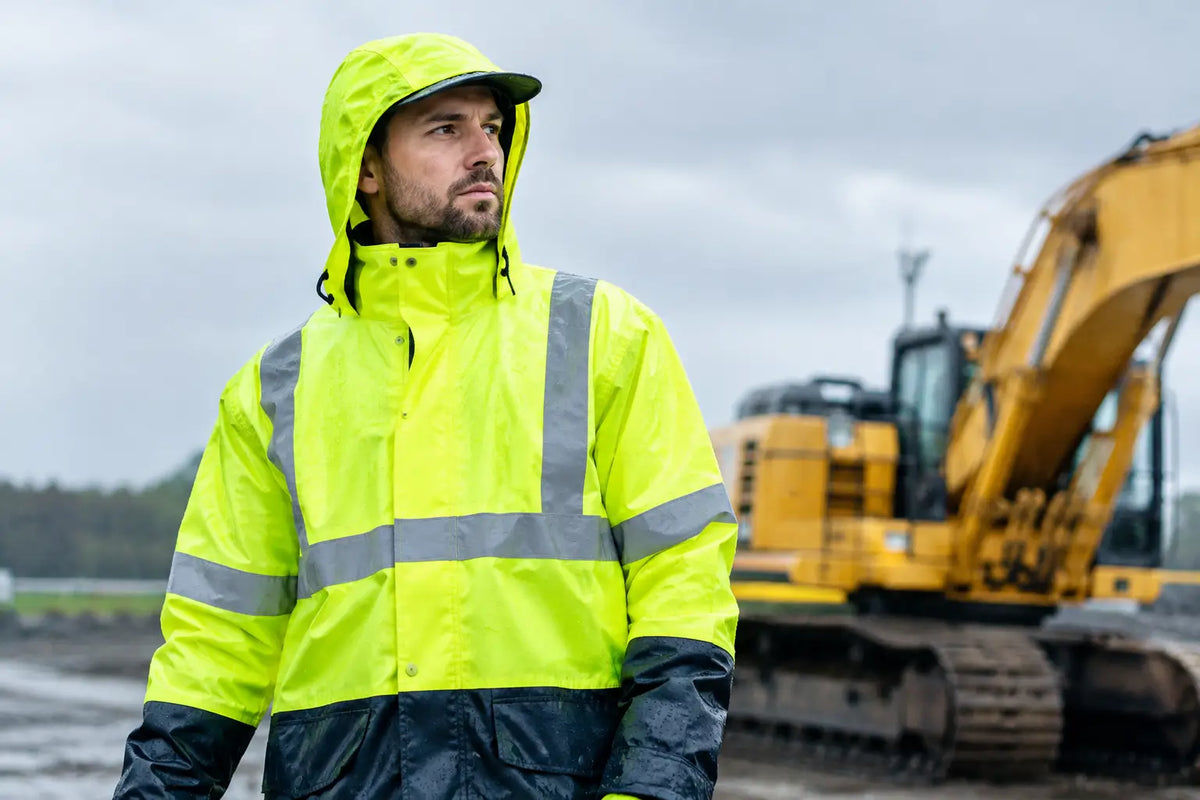
For rainy work, waterproof or water-resistant shell fabric helps keep workers dry and visible. Waterproof models are a stronger choice for sustained rain, roadside drainage work, marine-adjacent jobs, and washdown exposure. Sealed or taped seams matter because water often enters through stitching before it penetrates the fabric itself. Water-resistant bibs can be a lighter, more breathable option for brief showers and damp conditions.
For cold weather, insulated bib overalls protect the legs and core without requiring a heavy coat that may interfere with harnesses, tools, or movement. Moderate insulation works well for active jobs such as material handling and utility work. Heavier insulation may suit stationary traffic control or overnight operations, but it can become too warm once physical activity increases.
Durability is equally important. Reinforced knees, abrasion-resistant panels, heavy-duty zipper hardware, adjustable suspenders, and elastic side gussets can extend service life for workers who kneel, climb, or move through brush and rough materials. If the job involves welding, electrical arc hazards, or flash-fire exposure, standard high visibility fabric is not enough. Select flame-resistant high visibility apparel that is specifically rated for the identified hazard and follow your company's PPE program.
Fit Should Support Movement, Not Fight It
Poorly fitting bib overalls create their own problems. A garment that is too short can pull at the shoulders and ride up at the ankle. One that is too long can drag, snag, or cover boot tread. A fit that is too tight across the chest or seat makes climbing ladders, stepping into equipment, and kneeling harder than it needs to be.
Workers should size bibs over the clothing they expect to wear on the job. For a rain bib worn over jeans and a base layer, that may mean a different size than everyday workwear. For insulated bibs worn over thermals and work pants, allow enough room to move without choosing a loose fit that catches on controls or materials.
Adjustable shoulder straps are more than a comfort feature. They help place the bib front correctly and keep reflective areas visible rather than folded or hidden. Leg openings with zippers, snaps, or hook-and-loop closures can make it easier to pull bibs over work boots. If crews wear different boot styles, test the closure over the largest common boot before placing a team order.
Storage Features Matter on Active Jobsites
Workers often choose bib overalls because they need coverage and carrying capacity in one garment. Cargo pockets, chest pockets, tool loops, and secure phone storage can reduce trips back to the truck and keep essential items within reach.
More pockets are not automatically better. Open pockets can collect rain, debris, or metal shavings. Oversized cargo pockets can snag in tight spaces. For road crews and equipment operators, secure closures and low-profile storage may be more useful than a long list of pockets. For surveyors, maintenance technicians, and utility workers, dedicated compartments for notebooks, radios, measuring tools, or gloves can save time throughout the shift.
Consider where workers need to carry identification, a phone, a radio, and small tools. Then choose a bib layout that supports those tasks without covering reflective material or adding unnecessary bulk.
Keep Reflective Performance Working
High visibility apparel is safety equipment, and it needs routine inspection. Dirt, asphalt residue, grease, fading, worn reflective tape, and torn seams can all reduce conspicuity. A fluorescent garment that has gone dull may no longer provide the contrast workers need in low light, rain, or cluttered work zones.
Before each shift, inspect bib overalls for damaged reflective trim, heavy staining, broken fasteners, and tears that affect coverage. Follow the care label closely. Excessive heat, harsh chemicals, and improper washing can shorten the life of reflective materials and waterproof coatings. Do not assume a garment remains compliant indefinitely just because it is still wearable.
For supervisors, establishing a replacement schedule is often easier than waiting for individual garments to fail. High-use roadside and industrial crews may need more frequent replacement than workers who wear their bibs only during seasonal rain events. Keeping spare sizes available also prevents workers from making do with damaged or poorly fitted gear.
Build a Visible Workwear System
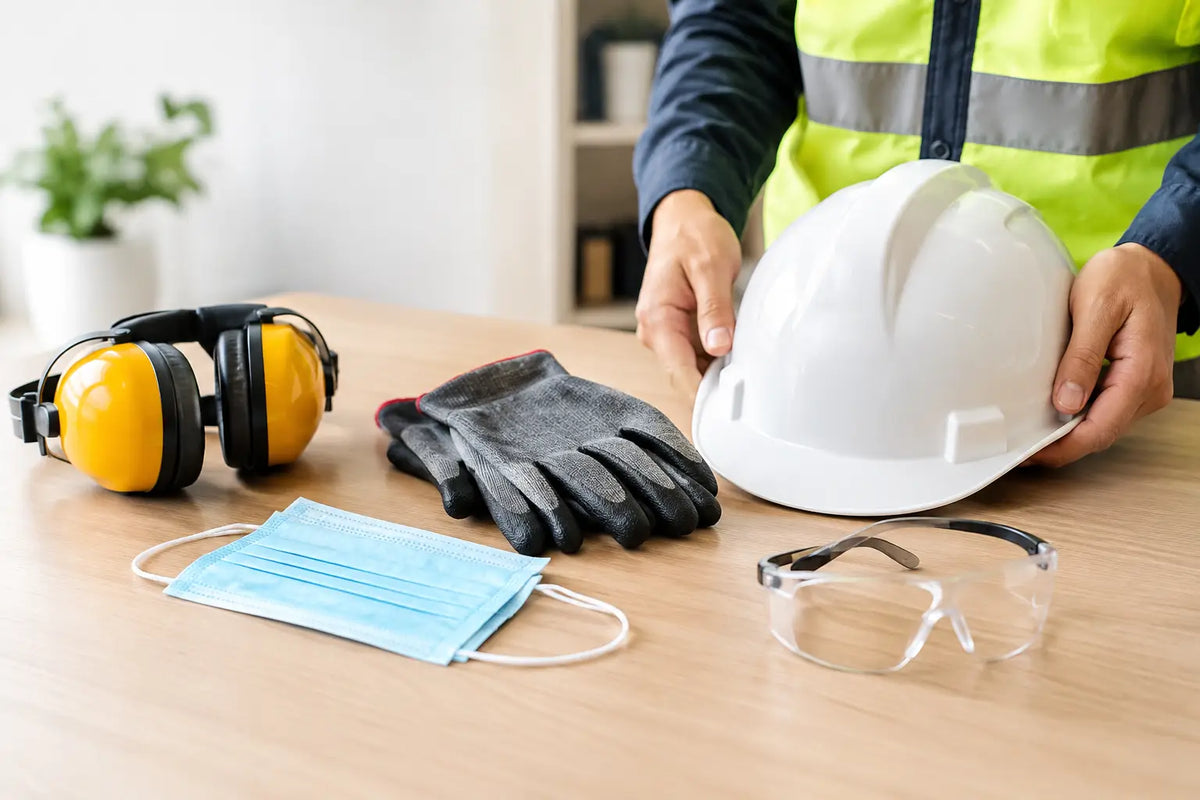
Bib overalls work best as one part of a coordinated PPE setup. Pair them with the correct ANSI safety shirt, jacket, or vest for the required class. Add weather-appropriate gloves, safety eyewear, and footwear that match the hazards underfoot. For crews in public-facing or multi-contractor environments, consistent garment colors and logo decoration can also make team members easier to identify without replacing required visibility markings.
Shine Bright Safety helps crews source high visibility workwear by job condition, ANSI requirement, and season. Whether the need is waterproof coverage for a roadway crew or insulated Class E bibs for winter utility work, select garments based on the conditions workers cannot avoid.
Put high visibility bib overalls into service before the weather turns, the shift runs late, or the jobsite gets busier. Gear that fits, performs, and stays visible gives workers one less thing to manage when the work demands their full attention.

Leave a comment
This site is protected by hCaptcha and the hCaptcha Privacy Policy and Terms of Service apply.