

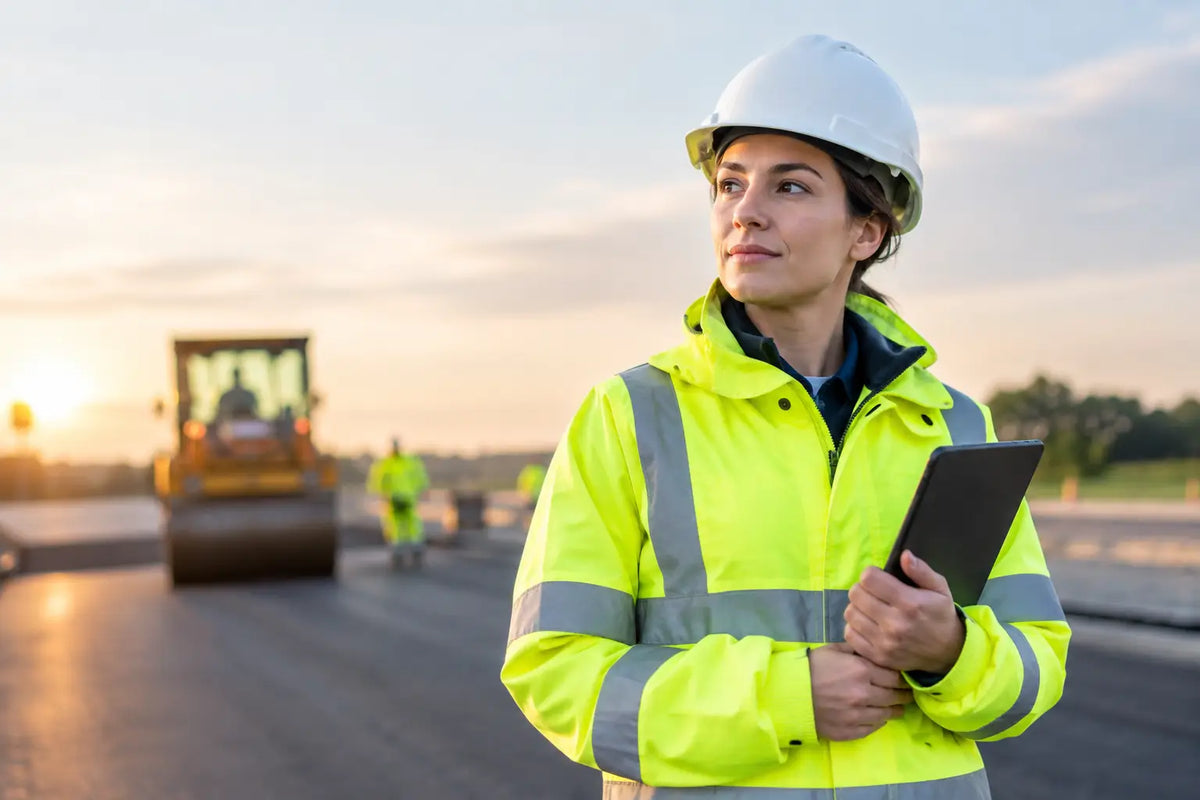
A worker stepping into a 45 mph work zone at dawn needs more than a bright vest. They need to be seen by drivers, equipment operators, and coworkers early enough for those people to react. That is the practical answer to when is class 3 required: when the job’s visibility hazards are high enough that maximum conspicuity is the safer and specified choice.
ANSI Class 3 apparel is built for high-risk environments where traffic, moving equipment, darkness, distance, weather, or complex backgrounds can make a worker hard to detect. It is not simply “more reflective” clothing. It is a defined performance category under ANSI/ISEA 107, with more background material and retroreflective striping than lower classes, typically in a garment that covers the torso and arms.
Class 3 Is Often Required by the Job, Not One Universal Rule
There is no single federal rule that says every worker in a particular trade must wear Class 3 at all times. The requirement can come from a project owner, state or local transportation agency, contractor safety plan, union agreement, customer site rule, or employer hazard assessment.
For roadway work, the Manual on Uniform Traffic Control Devices and federal highway work-zone rules are major drivers. Workers exposed to traffic in federal-aid highway work zones generally need ANSI-compliant high-visibility apparel meeting Performance Class 2 or Class 3 requirements. Whether Class 3 is the right choice depends on the conditions and the authority having jurisdiction.
That distinction matters. ANSI Class 3 may be required by a written specification, but it can also be the smart standard before a rule forces the issue. A safety manager should assess the actual exposure rather than selecting apparel only by job title. A paving crew on a closed neighborhood street and a utility crew making repairs on a dark, high-speed shoulder face very different risks.
When Is Class 3 Required? Start With the Exposure
Class 3 is commonly specified when workers have substantial exposure to public traffic or operating equipment, especially where motorists or operators have limited time to recognize and respond to a person in the work area.
Higher vehicle speeds are a clear trigger. As speed increases, stopping distance and reaction time become less forgiving. A Class 3 safety jacket, long-sleeve shirt, or coverall gives drivers a larger visual target than a Class 2 vest. That added coverage can make a difference when a worker is standing near a lane closure, shoulder, ramp, or active haul route.
Low-light and nighttime work also push many programs toward Class 3. Retroreflective material returns light toward its source, such as headlights, but a larger garment still helps define the human form from more angles. Early morning, dusk, tunnels, heavy overcast, and winter workdays can create low-light conditions long before the clock says it is nighttime.
Weather raises the stakes as well. Rain, snow, fog, and blowing dust reduce visibility for everyone on site. A Class 3 rain jacket can provide both weather protection and the required conspicuity, while a standard vest over a dark rain shell may leave the worker less visible than intended. If outerwear covers the ANSI garment, the outermost layer needs to provide the needed visibility performance.
Complex visual environments are another factor. Think of a warehouse loading yard full of trailers, a rail-adjacent project, an airport service area, or a utility restoration site with flashing equipment, cones, signs, and headlights. When the background is busy, workers need apparel that separates them from the scene.
Class 3 is often the preferred choice for flaggers, traffic control personnel, emergency roadside response teams, highway construction crews, tow and recovery operators, utility workers near live traffic, and personnel working around heavy mobile equipment. Site conditions can change quickly, so a garment choice that was adequate at midday may not be adequate after sunset or during a storm.
What Makes ANSI Class 3 Different?
ANSI/ISEA 107 groups high-visibility garments by performance class. Class 2 provides intermediate visibility for workers exposed to traffic or equipment where visibility hazards are present. Class 3 provides the highest level of visibility defined by the standard for occupational use.
A Class 3 garment must include more fluorescent background material and more retroreflective material than a Class 2 garment. It also generally uses sleeves with retroreflective elements to make arm movement more recognizable. That motion helps drivers and equipment operators identify a person, not just a bright object, from farther away.
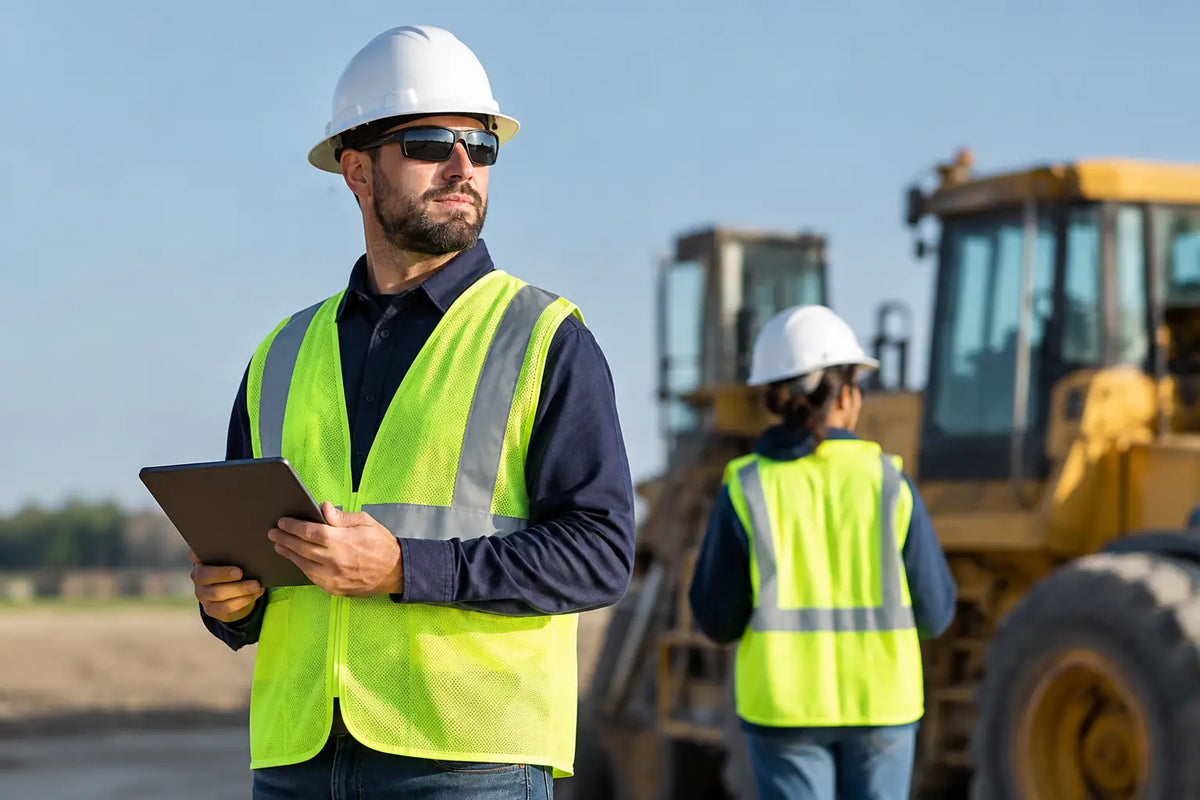
Common Class 3 options include long-sleeve safety shirts, jackets, rainwear, and coveralls. A standard sleeveless vest generally cannot provide Class 3 coverage on its own. Some compliant garment combinations can achieve Class 3 when worn together, but crews should verify the manufacturer’s labeling and follow the garment instructions. Do not assume that any Class 2 vest layered over any reflective jacket automatically qualifies as Class 3.
Check the sewn-in label before issuing gear. It should identify compliance with the current ANSI/ISEA 107 standard and the performance class. Bright color alone is not an ANSI rating, and silver striping alone does not make an item Class 3.
Match the Garment to the Work Conditions
Compliance is only useful when workers can wear the gear comfortably through the shift. A Class 3 jacket may be the right call during cold, wet roadside work, but it can be too warm for summer asphalt crews. For heat and sun exposure, a breathable Class 3 long-sleeve safety shirt can provide visibility while allowing better airflow than a heavy outer layer.
For wet conditions, select Class 3 rainwear that keeps the reflective pattern visible and does not restrict movement while climbing, handling tools, or working around equipment. Waterproof protection is valuable, but fit still matters. Oversized sleeves can catch on controls or snag on materials, while a garment that is too tight can limit reach and discourage use.
Storage is another practical consideration. Survey teams, utility crews, and maintenance workers often need radio loops, chest pockets, tablet pockets, or tool storage. Those features can improve efficiency, but pockets and custom logos must not cover or interrupt required fluorescent and retroreflective areas. When adding company branding, confirm that the decorated garment remains compliant as labeled.
For arc flash, flash fire, or welding hazards, visibility apparel needs another layer of evaluation. Flame-resistant clothing is not automatically ANSI Class 3, and ANSI Class 3 clothing is not automatically flame resistant. Select a garment carrying the certifications needed for the task, then make sure the complete clothing system meets the site’s visibility requirements.
Avoid the Most Common Class 3 Mistakes
The first mistake is treating Class 3 as a nighttime-only solution. Night work is a common reason to use it, but fog, rain, high-speed traffic, and heavy equipment can justify Class 3 in full daylight.
The second is allowing workers to cover compliant garments with hoodies, coats, backpacks, or rain shells. The outside layer is what drivers and operators see. If that layer blocks the fluorescent background or reflective tape, the worker may no longer meet the intended protection level.
The third is keeping damaged apparel in service too long. Dirty fabric loses contrast. Worn, cracked, or peeling reflective trim loses performance. Replace garments when they are heavily soiled, faded, torn, or no longer readable at a glance. Launder them according to the care label, since harsh treatment can shorten the service life of reflective materials.
Finally, do not make the decision solely from a catalog photo. Look at the ANSI label, the garment type, the weather protection, the work tasks, and the hazards around the crew. A lower-cost item that does not meet the project specification is not a savings.
A Better Buying Standard for Supervisors
Before ordering, ask four questions: Will workers be near traffic or mobile equipment? What are the highest vehicle speeds? Will the crew work in darkness, poor weather, or visually cluttered areas? Does the contract, agency, or site safety plan name an ANSI class?
If the answers point to high exposure, outfit the crew with Class 3 apparel designed for the season. Keep spare Class 3 rainwear available for changing weather, and make high-visibility checks part of the pre-shift routine. Shine Bright Safety offers Class 3 shirts, jackets, and rainwear options that help teams build a practical system rather than relying on one garment for every condition.
Visibility is a working condition, not a box to check at the start of the project. When traffic picks up, weather closes in, or the shift runs past daylight, put crews in the level of protection the environment demands.


Leave a comment
This site is protected by hCaptcha and the hCaptcha Privacy Policy and Terms of Service apply.