

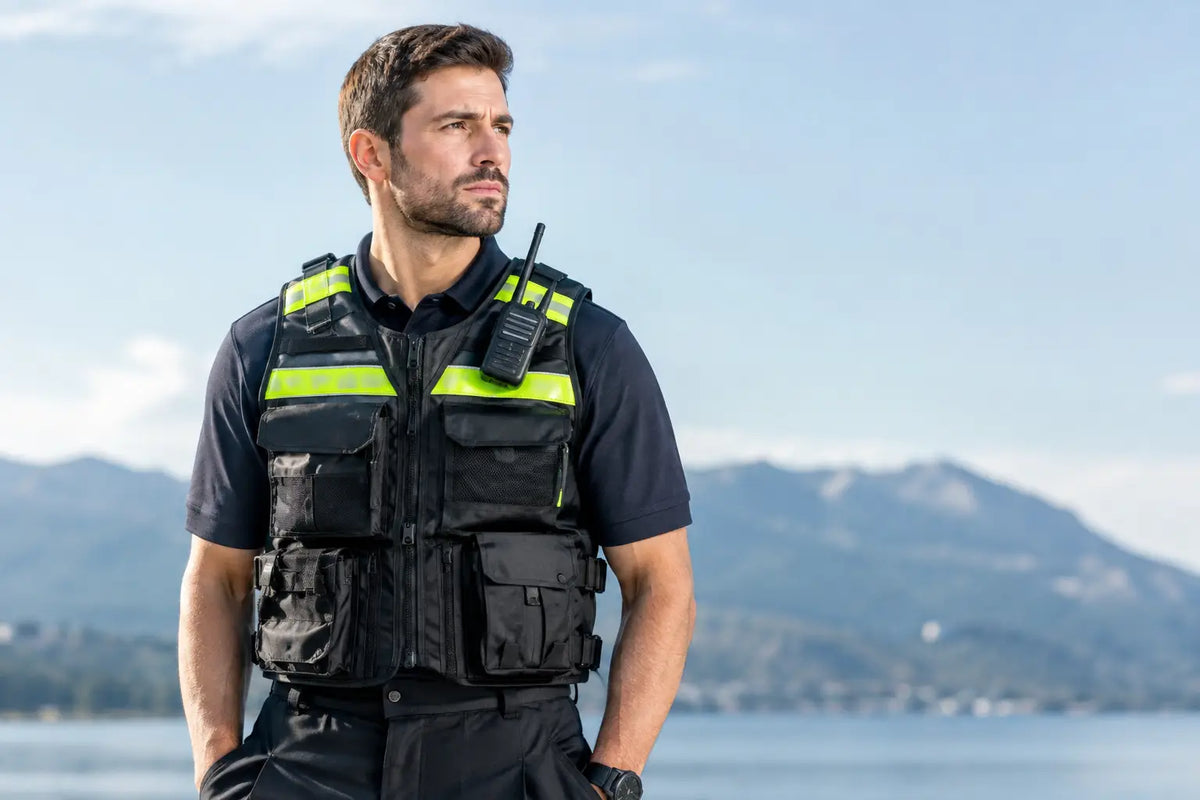
When a roadside incident, utility outage, search operation, or fire scene becomes crowded, people need to identify command personnel in seconds. An incident command vest does more than add color to the scene. It establishes a visible point of coordination for responders, contractors, public-safety teams, and support staff working around traffic, equipment, and changing hazards.
For the person wearing it, the vest also needs to work through a long operational period. Radio clips, maps, notebooks, gloves, credentials, and a phone all need a place. The right vest makes those essentials easier to reach while keeping the command role visible from a distance.
What an Incident Command Vest Is Designed to Do
An incident command vest is a high-visibility or color-identified utility vest used to distinguish leadership and operational roles at an emergency or managed work scene. Many organizations use a designated color - often white, lime, red, blue, or another agency-selected color - with clear role markings such as INCIDENT COMMANDER, COMMAND, SAFETY OFFICER, OPERATIONS, or LOGISTICS.
That role identification supports the Incident Command System by reducing confusion. A crew member arriving at a scene should not have to ask several people where command is located. A visiting agency, contractor, or utility representative should be able to find the person directing the operation without interrupting active field work.
The vest should also carry the practical load of command. Unlike a basic identification panel or lightweight event vest, a command vest often needs multiple pockets, attachment points, and a fit that works over uniforms, outerwear, or body armor. The details matter when the wearer is managing communications, documenting conditions, assigning resources, and moving between vehicles and work zones.
High Visibility and Role Color Are Not the Same Thing
A common purchasing mistake is assuming that any bright command vest provides the same level of protection near moving vehicles. It does not. Role color and ANSI visibility compliance serve different purposes.
A color-coded vest helps identify who is in charge. An ANSI-rated vest is designed around minimum background material, retroreflective material, and garment configuration requirements for visibility. If the command officer will work near public traffic, construction vehicles, heavy equipment, or low-light roadways, ANSI Class 2 or ANSI Class 3 protection may be the right requirement based on the hazard assessment and employer policy.
For example, a white INCIDENT COMMANDER vest may be ideal for agency recognition at a controlled fire scene but may not provide the contrast or reflective coverage needed on an active roadway at night. In that case, a compliant ANSI outer layer, a high-visibility command vest, or a role-marked panel worn according to local procedure may be a better setup.
There is no one-color answer for every scene. Match the garment to the agency's identification system, the traffic exposure, time of day, weather, and the worker's actual responsibilities. Visibility is protection, but only when the vest is selected for the conditions where it will be used.
Features That Earn Their Place on Scene
A command vest should be easy to put on, easy to recognize, and organized enough to reduce unnecessary movement. Before buying, look past the printed title and evaluate the working features.
Clear front and back identification
The role label should be large, legible, and visible from both directions. Back identification is especially useful when the command officer is walking the perimeter, facing a vehicle, or speaking with a crew. High-contrast lettering is generally easier to read than a label that blends into the vest color.
Consider whether titles need to be permanent or interchangeable. A permanently marked INCIDENT COMMANDER vest works well for a dedicated role. Hook-and-loop title panels offer more flexibility for departments and contractors that assign different personnel as command, safety, staging, or logistics depending on the incident.
Storage built for operational gear
Pockets are not a decoration. They determine whether the vest can support real command work. Large lower pockets can hold gloves, a folded map, flagging supplies, or small PPE. Chest pockets can keep a phone, credentials, pen, notepad, or incident forms close at hand.
Look for secure closures where gear could fall during movement. Zippered pockets protect small items, while hook-and-loop flaps offer quick access. A radio mic tab or shoulder attachment point is useful when communications are constant. If the vest has many pockets, check that they are usable when worn over a jacket or when loaded with equipment.
Durable construction and a usable fit
Command personnel may wear the same vest through rain, wind, dust, vehicle exhaust, and repeated handling. Mesh construction can help in hot conditions, while solid fabric may provide more structure for pockets and patches. A reinforced zipper and durable binding help the vest hold up under frequent use.
Fit is equally practical. The vest should layer comfortably over a uniform shirt, sweatshirt, rain jacket, or cold-weather outerwear without restricting arm movement. Adjustable side straps can help one vest cover changing seasonal layers. For larger teams, a range of sizes prevents an oversized vest from catching on equipment or a too-small vest from sitting open over outerwear.
Reflective material where exposure requires it
If the vest will be worn around traffic or equipment after dark, reflective trim should be evaluated as a safety feature, not an afterthought. Retroreflective striping can help drivers and operators detect the wearer when headlights or work lights hit the garment.
Do not assume reflective striping automatically means ANSI compliance. Check the garment's stated classification and use it within your organization's safety plan. A non-ANSI command vest may still be useful for role recognition inside a controlled area, but it should not replace required high-visibility PPE where the job calls for it.
Selecting Vests for Teams, Agencies, and Contractors
For one person, selection is straightforward. For a department, contractor, or multi-agency response group, consistency becomes part of the safety plan. Establish the role titles, colors, and visibility requirements before placing an order. This prevents a scene where several people appear to be command because their vests use similar colors or unclear markings.
Start with the roles your operation actually assigns. Incident command, safety, operations, planning, logistics, staging, public information, and liaison functions may all need distinct identification. Smaller organizations may only need command and safety designations. Ordering every possible title can create expense and confusion if those roles are never staffed separately.
Then decide whether customization is worth it. A custom department name, company logo, unit number, or standard title can help present a coordinated team and reduce mix-ups. Custom decoration is most useful when the vest will remain in regular service. For mutual-aid caches, temporary events, or rotating assignments, removable title panels may be the more flexible choice.
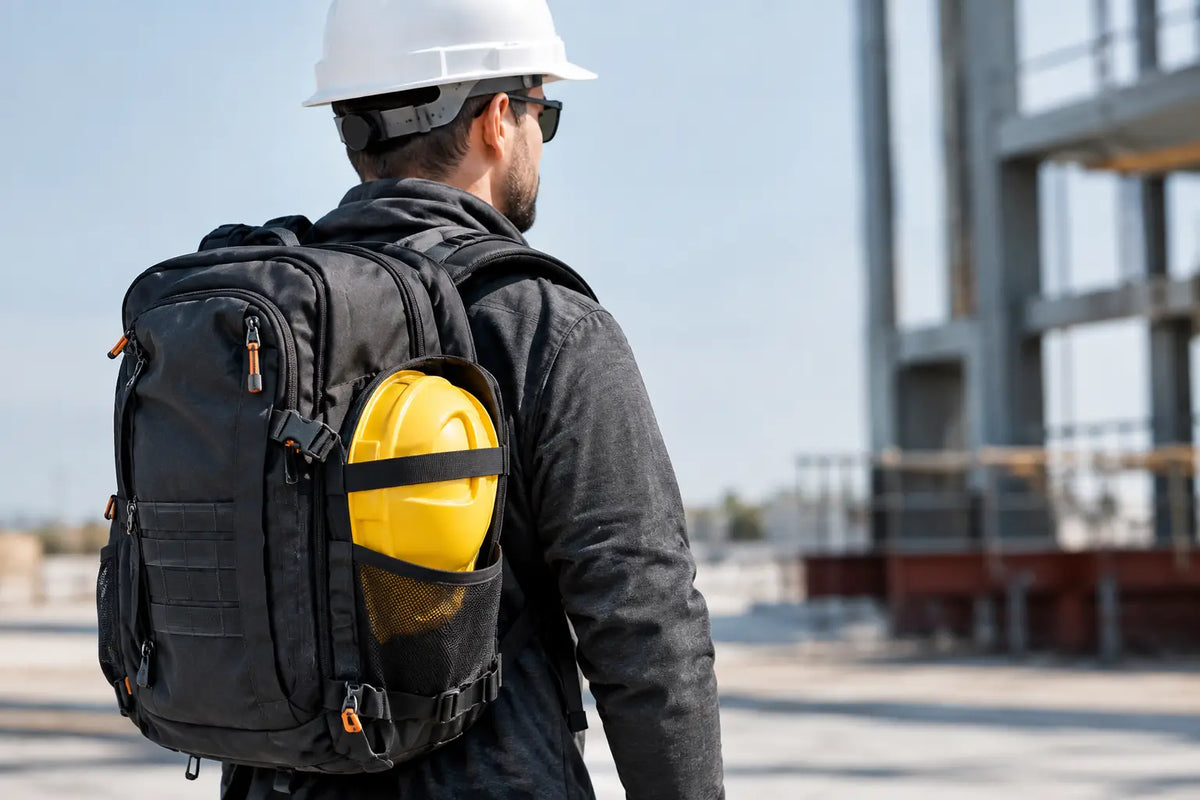
Keep spare vests available. A command vest can be left in a vehicle, become contaminated, get soaked, or be needed by a second operational period. A labeled storage bag or vehicle compartment makes the vest easier to deploy when time is short. If your crew uses hard hats, rainwear, traffic-control gear, and safety glasses, organizing these items as a ready-to-go command kit helps avoid last-minute searching.
Care, Inspection, and Replacement
An incident command vest should be inspected before it is needed, not after a major response begins. Check zippers, pocket closures, seams, reflective material, and title panels. Make sure printed identification remains readable and that hook-and-loop patches still hold securely.
Follow the garment's care instructions. Dirt, oils, and repeated laundering can affect visibility and make labels harder to read. Remove items from pockets before washing, close fasteners to limit snagging, and avoid repair methods that cover reflective material or role markings.
Replace the vest when it no longer identifies the wearer clearly, when reflective elements are badly worn, or when damage affects fit and pocket function. A faded vest may still be wearable, but it is not the right tool for command visibility in a demanding environment.
The best incident command vest is the one your team can identify immediately, wear comfortably, and rely on through the full shift. Set the role standard, match the visibility level to the hazard, and keep the vest stocked where command can reach it fast. Stay visible. Stay organized. Keep the scene moving safely.


Leave a comment
This site is protected by hCaptcha and the hCaptcha Privacy Policy and Terms of Service apply.